While working on Sway, I found myself returning to the same question again and again.
I could still remove more wood.
I could soften another edge, widen an opening, or change the balance of a curve. There was always another possible movement.
Nothing prevented me from continuing.
The tools were still in my hands. The wood would still allow another cut. Technically, the sculpture was never truly finished.
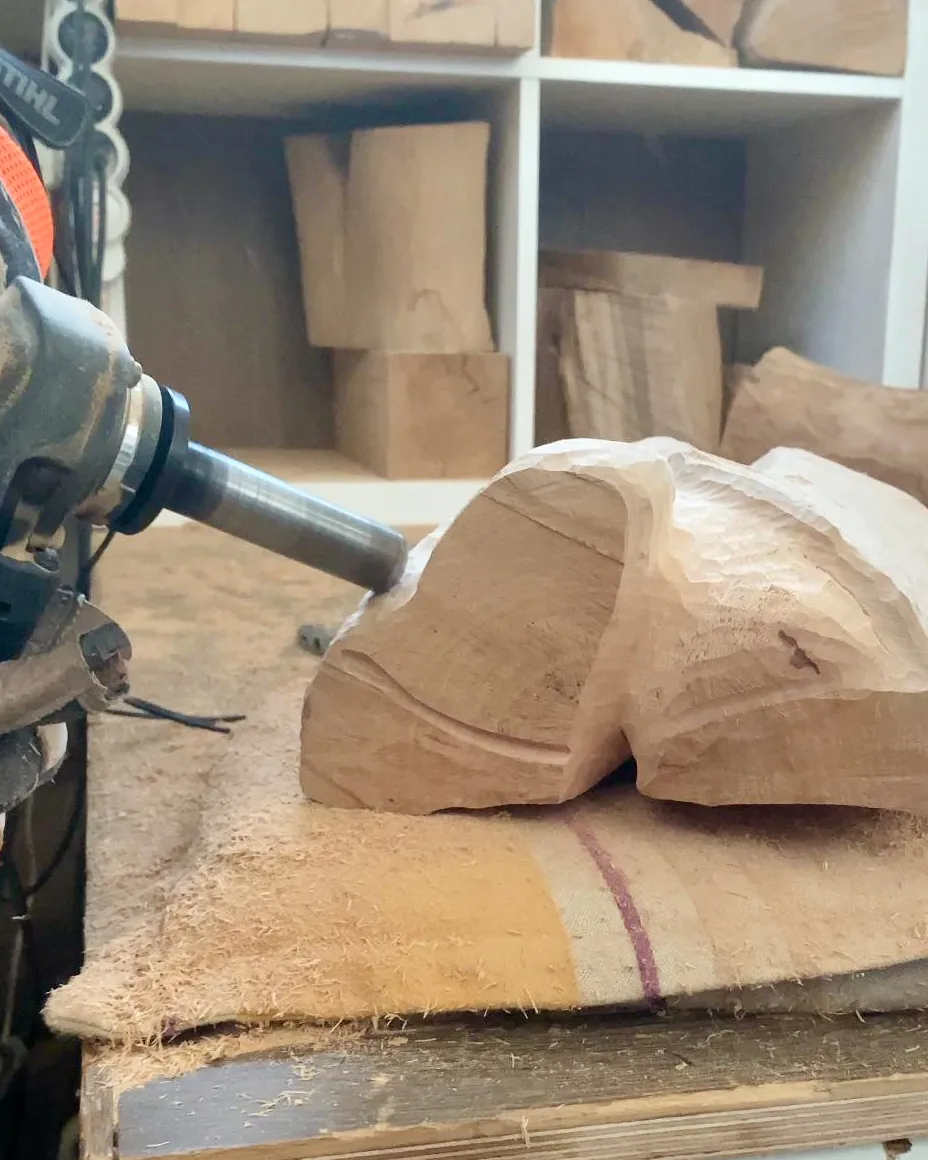
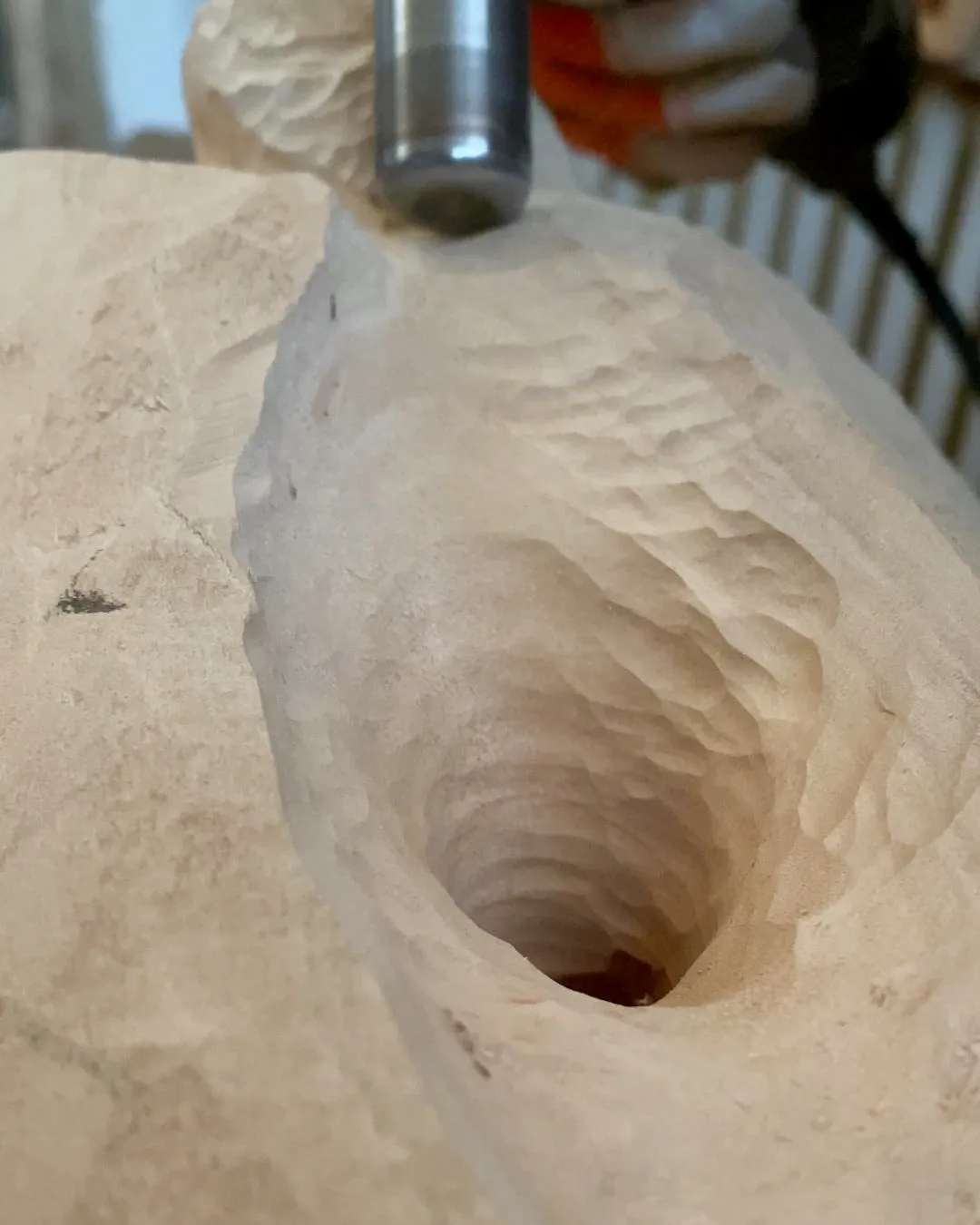
At some point, however, the question became different.
Not:
What else could I do?
But:
Does this sculpture still need another movement?
I never begin with a finished image in my mind. Every sculpture develops through a long series of small decisions. One movement changes the form, and the form quietly influences the next decision.
Working this way means there is no planned moment of completion.
There is no planned moment of completion. I only recognise it when it happens.
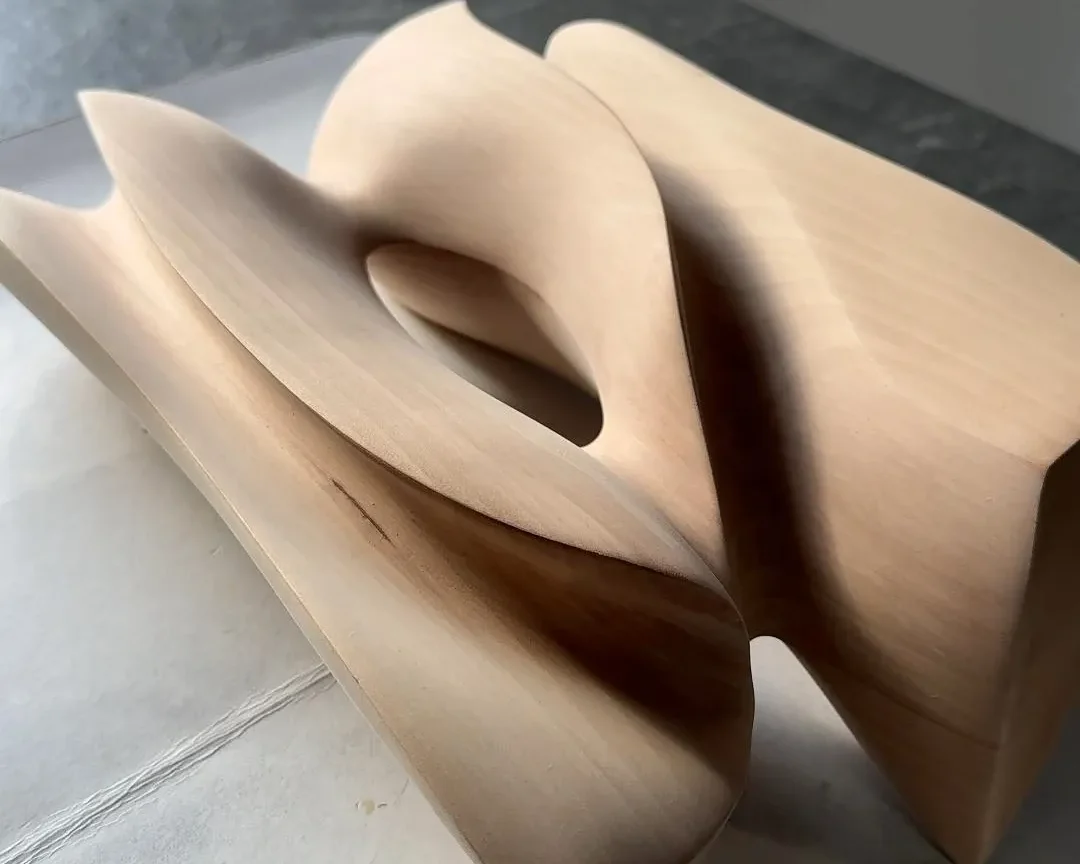
While carving Sway, I realised that the final decision wasn’t about making one last cut.
It was about accepting everything that had already been done.
About looking at the sculpture long enough to feel that another movement would no longer bring clarity to the form.
It would simply make it different.
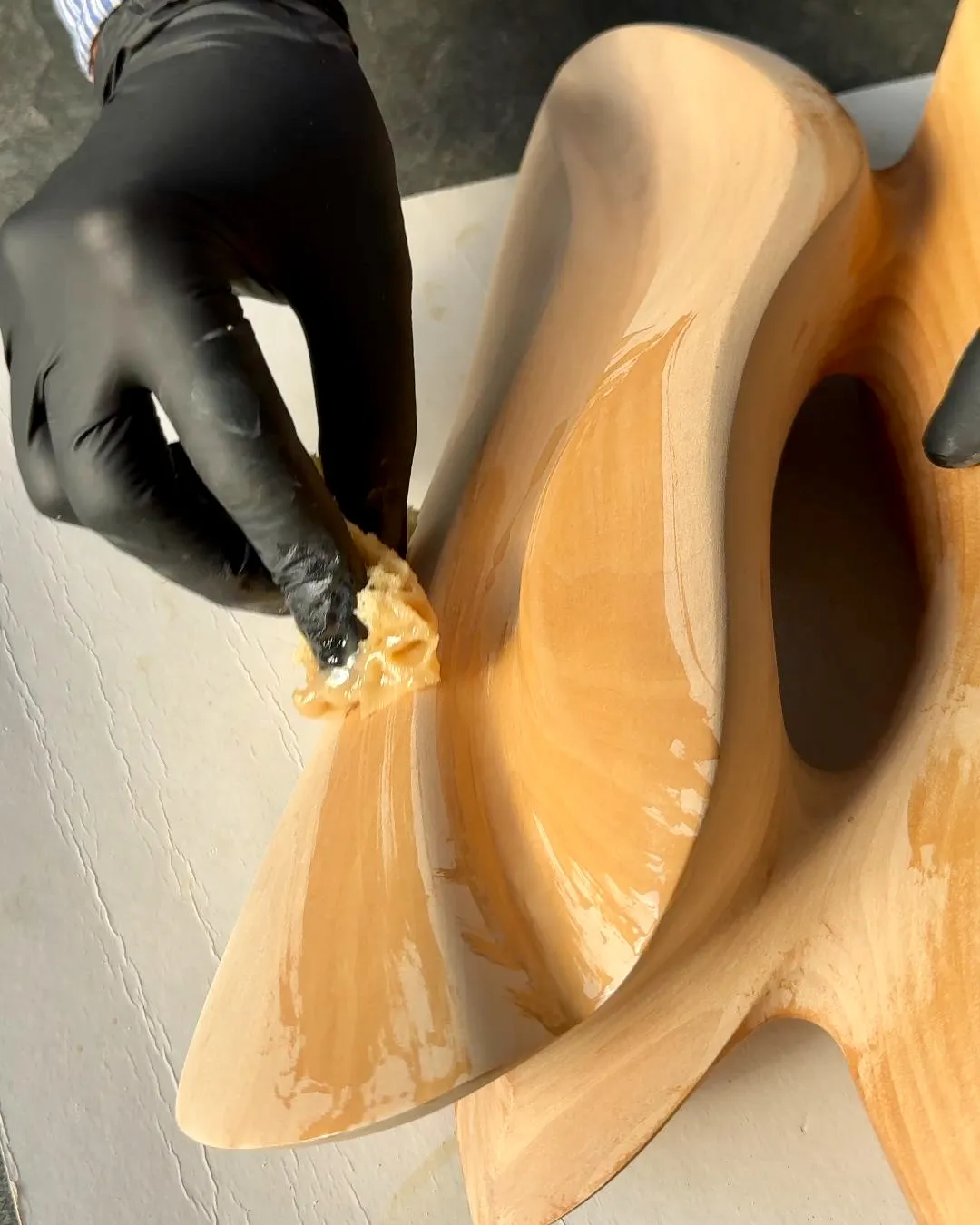
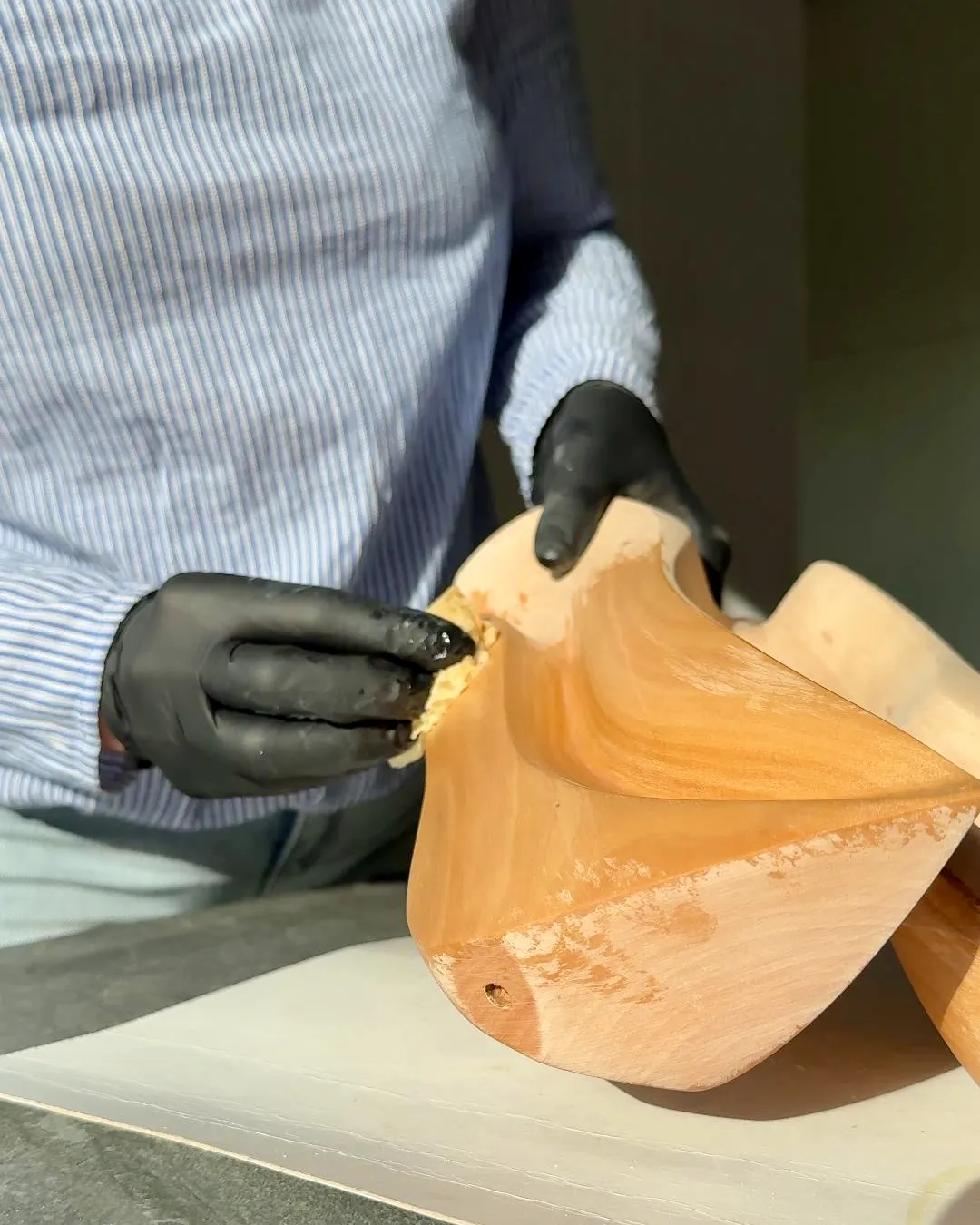
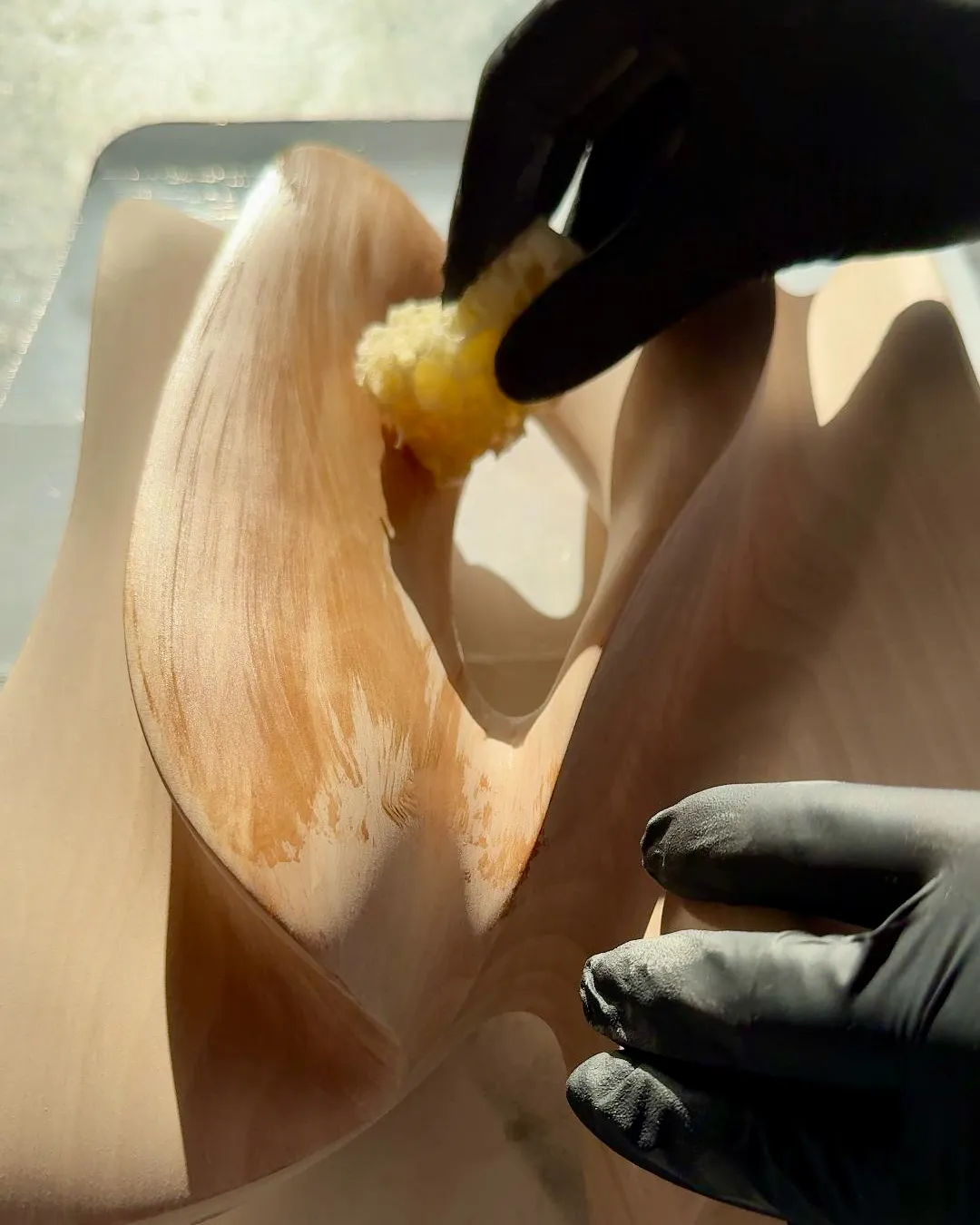
Putting the tool down is rarely a dramatic moment.
There is no clear signal.
Only the quiet realisation that I no longer want to change what is in front of me.
That is when I stop carving.
Not because I couldn’t continue.
But because I no longer feel the need to.
Looking back, I can’t point to the exact moment Sway became itself. It emerged quietly, one decision at a time.
